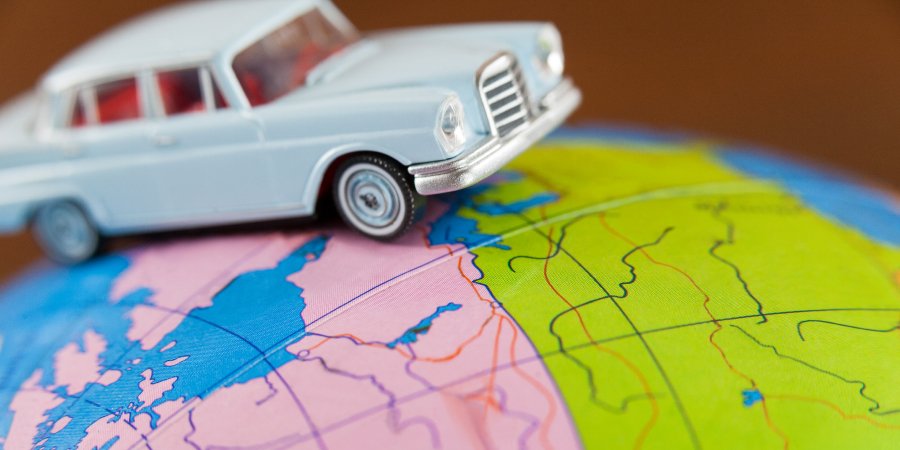
There was a time when the world moved to the rhythm of engines a deep, mechanical pulse that echoed through highways and cities alike. It was more than just sound; it was a symbol of power, freedom, and human progress. Every ignition carried a sense of purpose, every journey a promise of possibility. The automotive industry was not merely about vehicles; it was a narrative of ambition, where steel, fuel, and innovation came together to shape how the world moved.
Yet, like all powerful stories, this one too is evolving. What once felt permanent is slowly transforming, reminding us that no era, no matter how dominant, lasts forever.
The Quiet Shift Toward a New Era
Today, that once-familiar roar is softening into a quiet hum. Electric vehicles are steadily replacing traditional engines, introducing a new kind of motion—one that is silent, efficient, and environmentally conscious. This shift is not abrupt but gradual, almost poetic in its pace. The internal combustion engine, which once stood as the backbone of mobility, is not disappearing overnight but slowly уступing its place in a changing world.
This transformation represents more than technological advancement. It reflects a deeper shift in values—where sustainability, responsibility, and long-term impact are shaping the future of mobility.
From Machines to Living Systems
As the industry evolves, so does the nature of the automobile itself. Cars are no longer just mechanical constructs; they are becoming intelligent systems powered by software and connectivity. Features can now be updated remotely, performance can be enhanced digitally, and the driving experience is increasingly shaped by data and algorithms.
In this new reality, the car is no longer static. It evolves over time, adapting to the user and the environment. This shift blurs the boundaries between machine and technology, creating a new identity for vehicles one that is dynamic and ever-changing.
The Changing Meaning of Driving
With automation and artificial intelligence entering the automotive space, the role of the driver is also being redefined. Driving, once considered a skill and a deeply personal experience, is gradually becoming optional. Vehicles are learning to navigate, respond, and even make decisions independently.
This raises a profound question: what does it mean to drive in a world where control is no longer necessary? The emotional connection between humans and machines is evolving, moving from direct interaction to guided experience. What may feel like a loss at first could simply be a transformation of how we relate to mobility.
An Industry Learning to Adapt
Beyond the vehicles themselves, the entire automotive ecosystem is undergoing change. Supply chains that once operated with precision are now navigating uncertainty. Global disruptions have exposed vulnerabilities, pushing companies to rethink strategies and build resilience.
New materials, new dependencies, and new technologies are reshaping how vehicles are produced. The industry is learning to adapt, becoming more flexible and forward-thinking in the face of constant change. Stability, once assumed, is now being replaced by adaptability as a core strength.
Where Change Becomes the Only Constant
The automotive landscape today is defined by motion not just on roads, but through time. Established players are reinventing themselves while new entrants challenge traditional norms. The boundaries between automotive, technology, and energy sectors are merging, creating a more interconnected and dynamic ecosystem.
Through all of this, one truth stands clear: permanence is an illusion. What defines the industry today may fade tomorrow, just as past innovations have made way for new ones.
A Journey That Never Truly Ends
At its core, the automotive industry is not just about vehicles it is about movement. It is about the continuous journey of innovation, adaptation, and transformation. Each era leaves behind its mark, contributing to a story that is never truly complete.
There is a quiet beauty in this evolution. The roads remain, but the way we travel them changes. The machines transform, but the purpose endures. The journey continues, even as its form shifts.
In the end, the essence of automotive lies not in what stays, but in what moves forward. Like a poem written across generations, every phase adds a new verse some fading, some enduring but all contributing to a story that is constantly being rewritten.